|
|
樓主 |
發表於 2018-7-8 00:13:52
|
顯示全部樓層
本帖最後由 tigerb 於 2018-7-8 00:18 編輯

Ursidae
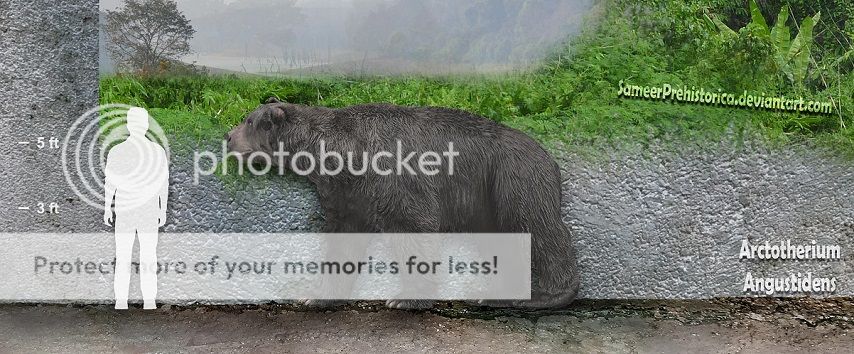
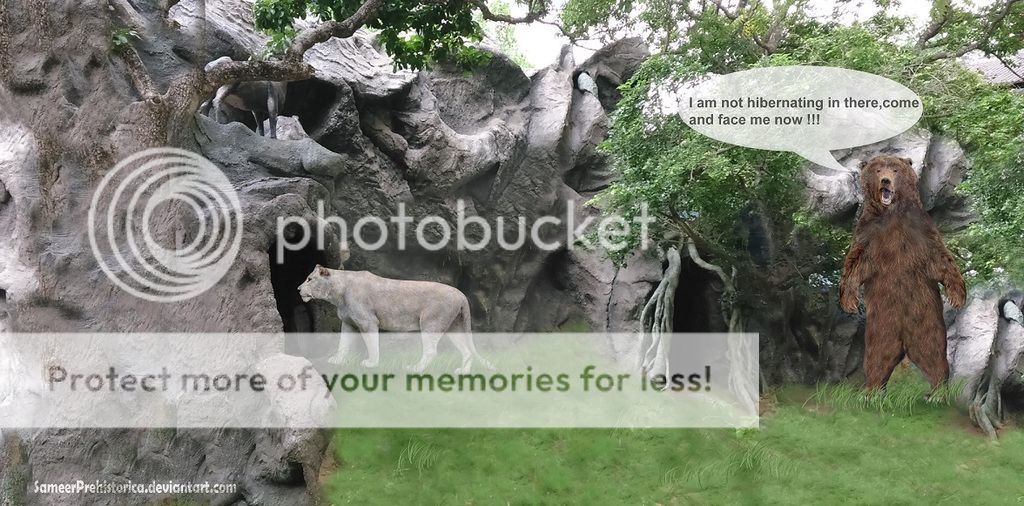
Arctotherium Angustidens(Extinct), Tyrant Polar Bear(Extinct), Arctodus Simus(Extinct), Agriotherium Africanum(Extinct), Cave Bear(Extinct), Deninger's Bear(Extinct), Indarctos Oregonensis(Extinct), Pygmy Panda(Extinct), Arctodus Pristinus(Extinct), Florida spectacled bear(Extinct), Atlas Bear(Extinct), Polar Bear, Kodiak Bear, Kamchatka Brown bear, Grizzly Bear, American Black Bear, Asian Black Bear, Spectacled Bear, Sloth Bear, Panda Bear and Sun Bear.
(Arctodus Pristinus : Size unknown
Tyrant Polar Bear : Dating back to the Late Pleistocene, approximately 70,000 years ago, it is the oldest fossil assigned to the polar bear.However, an unpublished re investigation of the fossil suggests that the fossil is actually a brown bear.
There are differences in some brown bear species,so if the tyrant polar bear is really a brown bear then it is not clear how it will look like.)
Bears are mammals of the family Ursidae. Bears are classified as caniforms, or doglike carnivorans, with the pinnipeds being their closest living relatives. Although only eight species of bears are extant, they are widespread, appearing in a wide variety of habitats throughout the Northern Hemisphere and partially in the Southern Hemisphere. Bears are found on the continents of North America, South America, Europe, and Asia.
Common characteristics of modern bears include large bodies with stocky legs, long snouts, shaggy hair, plantigrade paws with five nonretractile claws, and short tails. While the polar bear is mostly carnivorous, and the giant panda feeds almost entirely on bamboo, the remaining six species are omnivorous with varied diets. Bears have an excellent sense of smell, better than the dogs (Canidae), or possibly any other mammal. This sense of smell is used for signalling between bears (either to warn off rivals or detect mates) and for finding food. Smell is the principal sense used by bears to find most of their food.
Bears are generally bulky and robust animals with relatively short legs. They are sexually dimorphic with regard to size, with the males being larger.Bears include the most massive terrestrial members of the order Carnivora. Some exceptional polar bears and Kodiak bears (a brown bear subspecies) have been weighed at 1,002 kg (2,209 lb) and 751 kg (1,656 lb), respectively. As to which species is the largest depends on whether the assessment is based on which species has the largest individuals (brown bears) or on the largest average size (polar bears), as some races of brown bears are much smaller than polar bears. Adult male Kodiak bears average 480 to 533 kg (1,058 to 1,175 lb) compared to an average of 386 to 408 kg (851 to 899 lb) in adult male polar bears, per the Guinness Book of World Records. The smallest bears are the sun bears of Asia, which weigh an average of 65 kg (143 lb) for the males and 45 kg (99 lb) for the females. All "medium"-sized bear species (which include the other five extant species) are around the same average weight, with males averaging around 100 to 120 kg (220 to 260 lb) and females averaging around 60 to 85 kg (132 to 187 lb), although it is not uncommon for male American black bears to considerably exceed "average" weights. The largest ever bear is arctotherium angustidens which on average weighed about 1,000 kg to 1,500 kg!

Felidae
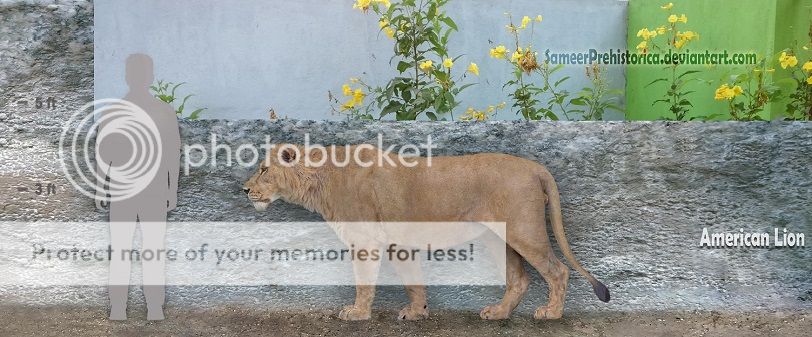
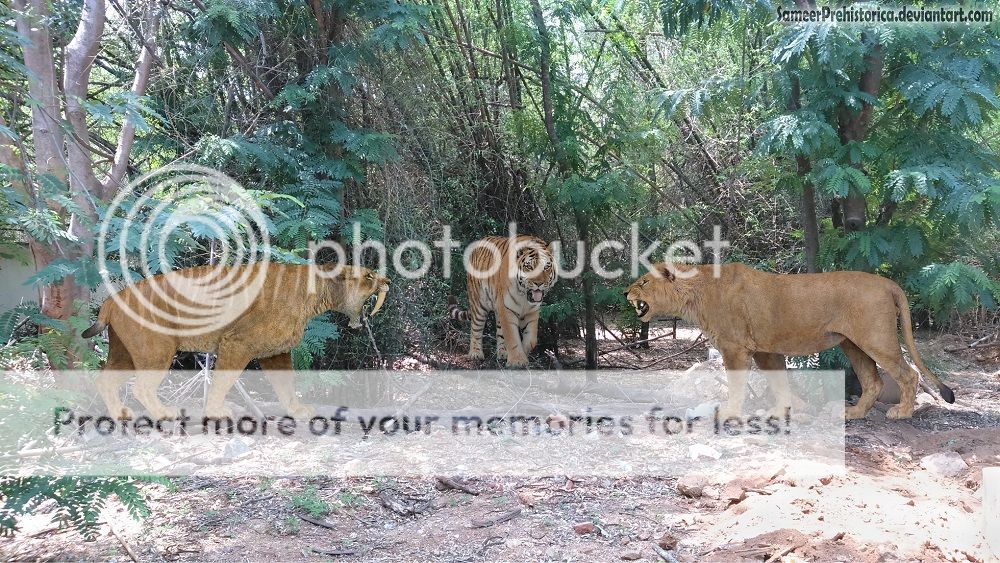
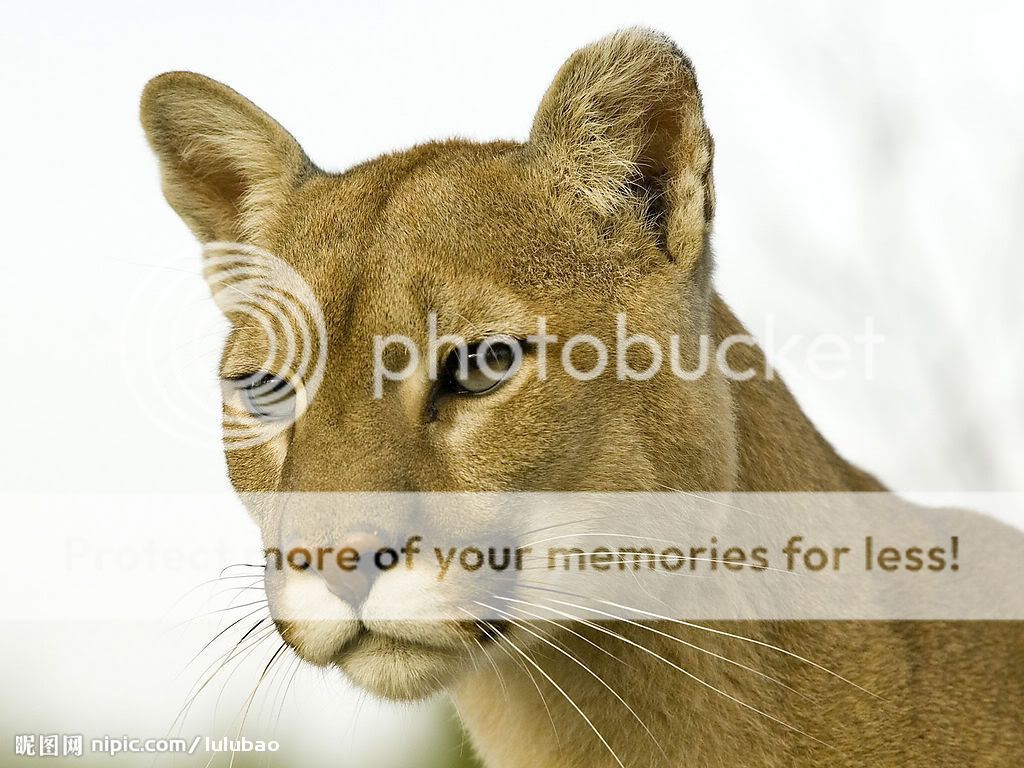
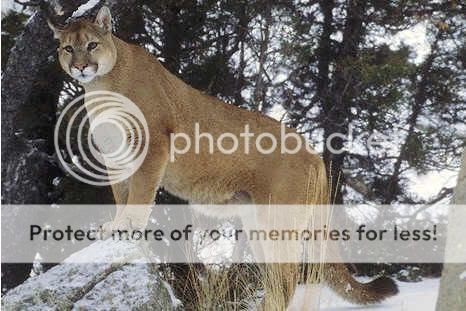
Smilodon Populator(Extinct), Ngandong Tiger(Extinct), American Lion(Extinct), Wanhsien Tiger(Extinct), Mosbach Lion(Extinct), Machairodus Giganteus(Extinct), Cave Lion(Extinct), Xenosmilus Hodsonae(Extinct), Smilodon Fatalis(Extinct), Homotherium Serum(Extinct), Barbourofelis Fricki(Extinct), European Jaguar(Extinct), Smilodon Gracilis(Extinct), Trinil Tiger(Extinct), Giant Cheetah(Extinct), Siberian Tiger, African Lion, Bengal Tiger, Asiatic Lion, Jaguar, Cougar, Leopard, Cheetah, Snow Leopard, Eurasian Lynx, Caracal, Serval, Clouded Leopard, Ocelot and the last but not least....the Domestic cat.
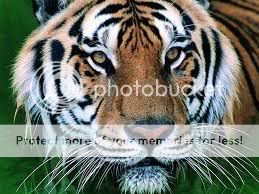
Felidae is the family of cats. A member of this family is also called a felid.
Living cats belong to the subfamilies:
Pantherinae – comprising the tiger, lion, jaguar, leopard, snow leopard and clouded leopards.
Felinae – including all the non-pantherine cats.
Felids tend to have lithe and flexible bodies with muscular limbs. In the great majority of species, the tail is between a third and a half of the body length, although with some exceptions (for example, the bobcat and margay). The limbs are digitigrade with soft toe pads and protractible claws. Compared with most other mammals, the head is highly domed with a short muzzle. Felids have relatively large eyes, situated to provide binocular vision. Their night vision is especially good due to the presence of a tapetum lucidum, which reflects light back inside the eyeball, and gives felid eyes their distinctive shine. As a result, the eyes of felids are about six times more light sensitive than those of humans, and many species are at least partially nocturnal.
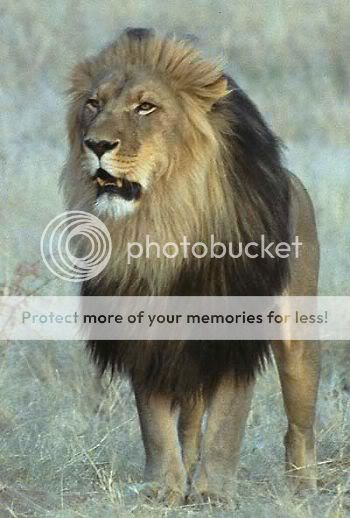
Aside from the lion, wild felids are generally solitary; feral domestic cats do, however, form colonies. Cheetah males are also known to live and hunt in groups. Felids are generally secretive animals, often nocturnal, and live in relatively inaccessible habitats. Around three-quarters of cat species live in forested terrain, and they are generally agile climbers. However, felids may be found in almost any environment, with some species being native to mountainous terrain or deserts. Wild felids are native to every continent except Australasia and Antarctica.
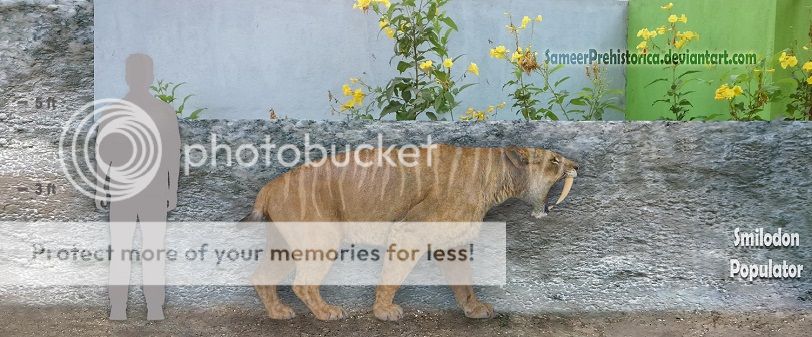
The various species of felids vary greatly in size. One of the smallest is the black-footed cat, measuring 35 to 40 cm (14 to 16 in) long, while the largest in the wild is the tiger, which can grow up to 350 cm (11.5 ft) in length and weigh upto 300 kilograms (660 lb).The largest ever felid is smilodon populator which weighed 220 to 400 kg (490 to 880 lbs).

Proboscideans
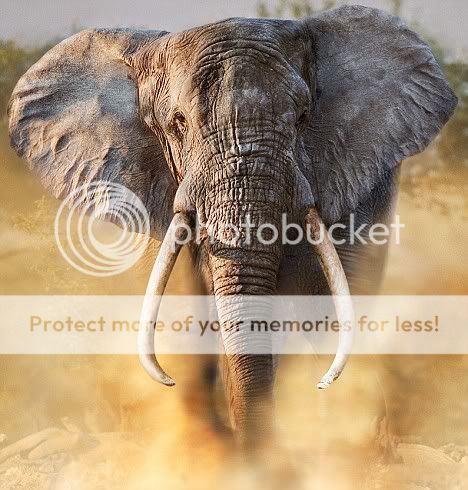
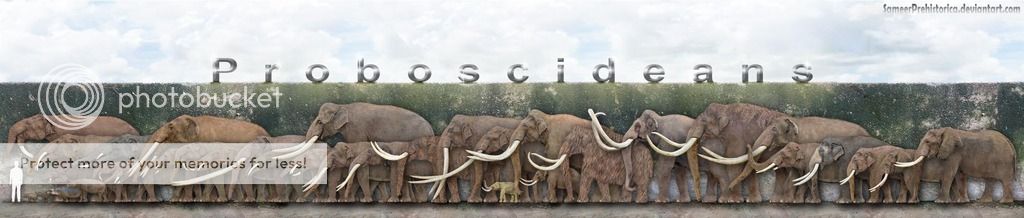
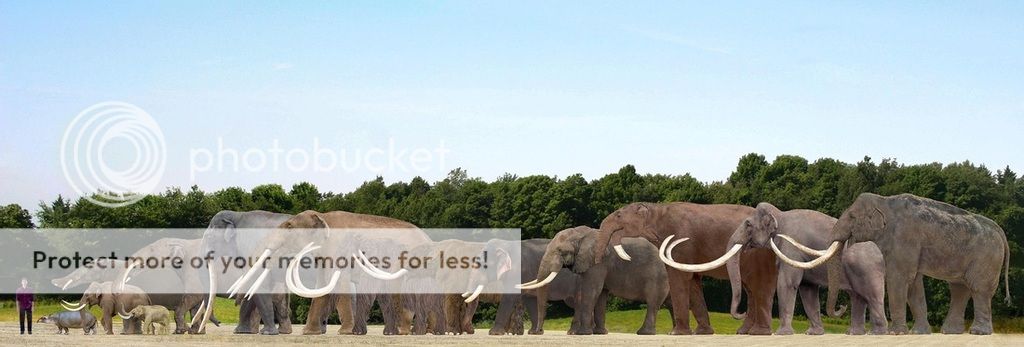
A tribute to one of the most awesome and famous group of mammals and my top favorite mammalian group, the mighty proboscideans !!
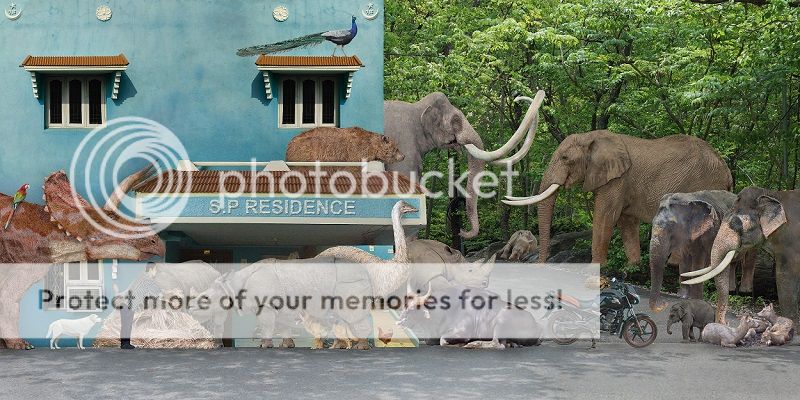
Eritherium(Extinct),Phosphatherium(Extinct),Moeritherium(Extinct),Numidotherium(Extinct),Barytherium(Extinct),Gomphotherium Steinheimense(Extinct),Deinotherium Thraceiensis(Extinct),Amebelodon Fricki(Extinct),Palaeomastodon(Extinct),Phiomia(Extinct),Deinotherium Giganteum (Extinct),Platybelodon(Extinct),Deinotherium Bozasi(Extinct),Gomphotherium Productum
(Extinct),Chilgatherium(Extinct),Deinotherium Proavum(Extinct),Prodeinotherium Bavaricum(Extinct),Gomphotherium Angustidens(Extinct),Deinotherium Indicum(Extinct),Rhynchotherium(Extinct),Zygolophodon Borsoni(Extinct),American Mastodon(Extinct),Gnathabelodon(Extinct),Anancus Arvernensis(Extinct),Stegotetrabelodon Syrticus(Extinct),Notiomastodon Platensis(Extinct),Stegodon Trigonocephalus(Extinct),Stegodon Zdanskyi(Extinct),Cuvieronius Hyodon(Extinct),Palaeoloxodon Antiquus
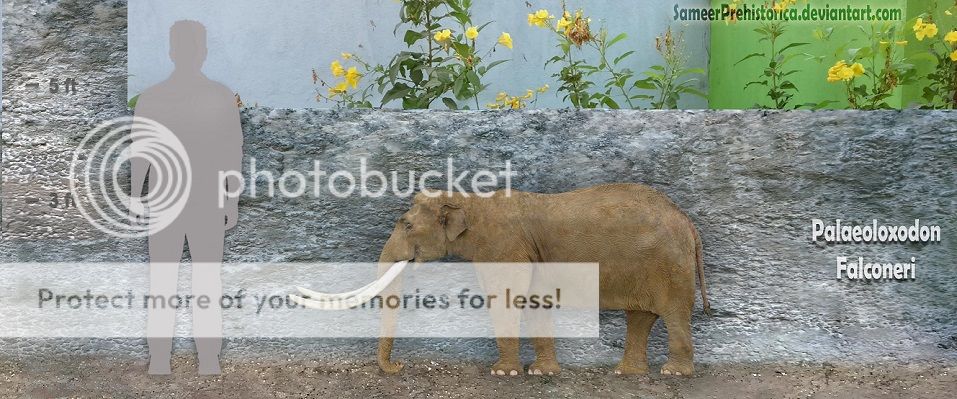
(Extinct),Elephas Hysudricus(Extinct),Palaeoloxodon Falconeri(Extinct),Elephas Iolensis(Extinct),Elephas Ekorensis(Extinct),Elephas Hysudrindicus(Extinct),Palaeoloxodon mnaidriensis(Extinct),Stegomastodon Mirificus(Extinct),Palaeoloxodon Namadicus(Extinct),Stegodon Ganesha(Extinct),Primelephas(Extinct),Tilos dwarf elephant(Extinct),Palaeoloxodon Recki(Extinct),South African Mammoth(Extinct),Mammuthus Africanavus(Extinct),Mammuthus Rumanus(Extinct),Sardinian Dwarf Mammoth(Extinct),Southern Mammoth(Extinct),Steppe Mammoth(Extinct),Pygmy Mammoth(Extinct),Cretan dwarf Mammoth(Extinct),Columbian
Mammoth(Extinct),Woolly Mammoth(Extinct),Loxodonta Atlantica(Extinct),Loxodonta Exoptata(Extinct),Carthaginian Elephant(Extinct),Syrian Elephant(Extinct),Borneo Pygmy Elephant,Srilankan Elephant,African Forest Elephant and African Bush Elephant.
In the past,there were about some 350 species of proboscideans. In this image, there are only 60 species and yet it seems like over population. There are 2 of them which are very tiny so that they won't be much visible.
Nearly half of the proboscideans in this image are based on the beautiful skeletal reconstruction by Asier Larramendi.
Larramendi, A. 201X. Shoulder height, body mass and shape of proboscideans. Acta. Palaeontologica Polonica XX (X): xxx–xxx. dx.doi.org/10.4202/app.00136.2…
(The Order Proboscidea has one of the most comprehensive fossil records of any species. The evolutionary history of proboscideans has always been of great interest to Vertebrate Palaeontologists.
There were tiny mammals lived alongside dinosaurs for many million years. Mammals diversified after the extinction of dinosaurs and among those mammals was a tiny proboscidean. It evolved into several different species. This group was very successful that they were so diverse. Over time, they not only became bigger but became the most dominant of all the mammals. They inhabited every continent except Australia and Antarctica. Some proboscideans are bigger and heavier than the largest carnivorous dinosaurs.
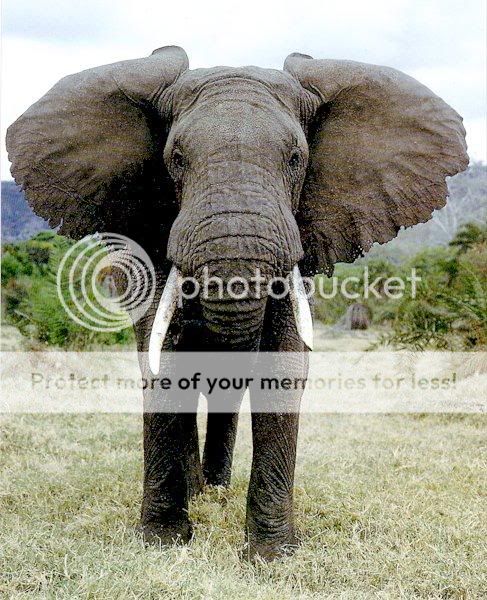
Elephantidae is a family of large, herbivorous mammals collectively called elephants and mammoths. These are terrestrial large mammals with a snout modified into a trunk and teeth modified into tusks. Most genera and species in the family are extinct. Only two genera, Loxodonta (African elephants) and Elephas (Asiatic elephants) are the only surviving members of the Order Proboscidea.
The African elephants are elephants of the genus Loxodonta. There are two subspecies – the larger savannah elephant (Loxodonta africana africana) and the smaller forest elephant (Loxodonta africana cyclotis). The Asian or Asiatic elephant (Elephas maximus) is the only living species of the genus Elephas. Four subspecies are recognised. The Sri Lankan subspecies (Elephas maximus maximus), the mainland subspecies (Elephas maximus indicus), the Sumatran subspecies (Elephas maximus sumatranus) and the Borneo subspecies (Elephas maximus borneensis).
African elephants are highly intelligent, and they have a very large and highly convoluted neocortex, a trait they share with humans, apes and some dolphin species. They are among the world's most intelligent species. With a mass of just over 5 kg (11 lb), elephant brains are larger than those of any other land animal, and although the largest whales have body masses twenty-fold those of a typical elephant, whale brains are barely twice the mass of an elephant's brain. The elephant's brain is similar to that of humans in terms of structure and complexity. For example, the elephant's cortex has as many neurons as that of a human brain,suggesting convergent evolution.
Elephants use some vocalizations that are beyond the hearing range of humans, to communicate across large distance. Elephants exhibit a wide variety of behaviors, including those associated with grief, learning, allomothering, mimicry, art, play, a sense of humor, altruism, use of tools, compassion, cooperation, self-awareness, memory and possibly language. The intelligence of some proboscideans rivals that of primates.
The largest land mammal alive today, the African elephant which weighs about 6 tonnes, the record holder individual weighed about 10.4 tonnes. The order Proboscidea also has the largest ever land mammal, Palaeoloxodon namadicus which weighed upto 22 tonnes.)
Don't let our largest charismatic land animal to go extinct. Stop the poaching !!!
( The question is, are we happy to suppose that our grandchildren may never be able to see an elephant except in a picture book ? ~ David Attenborough )
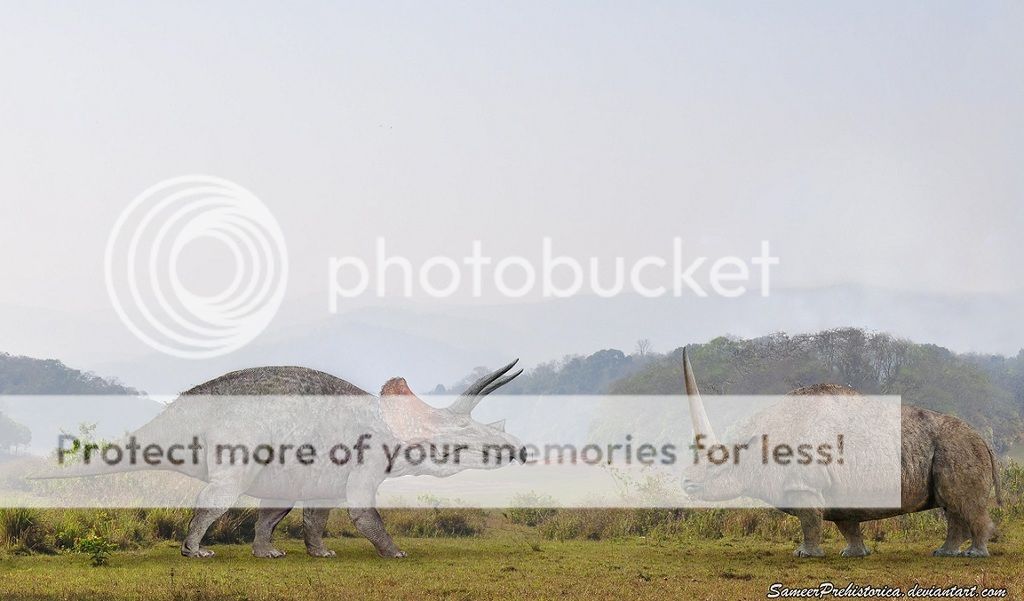
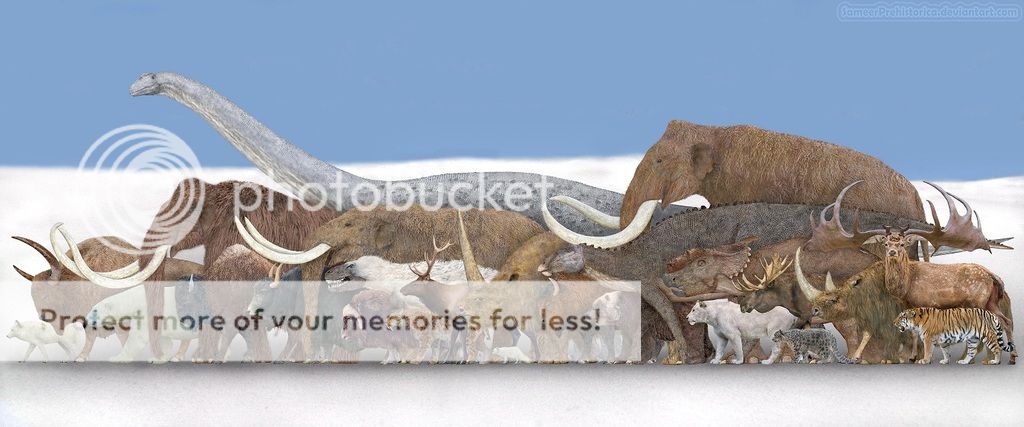
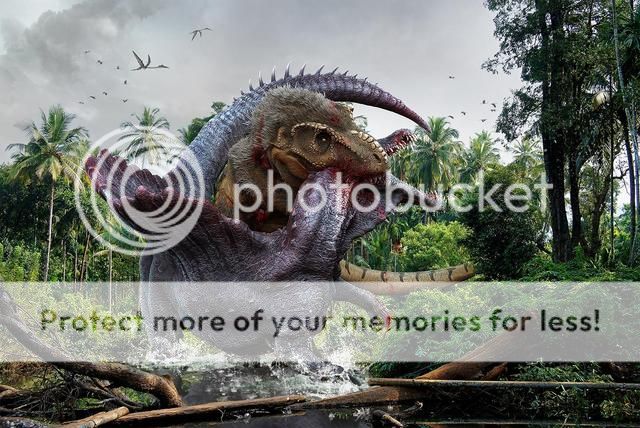
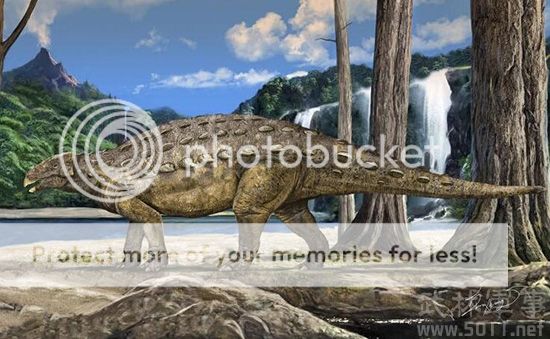
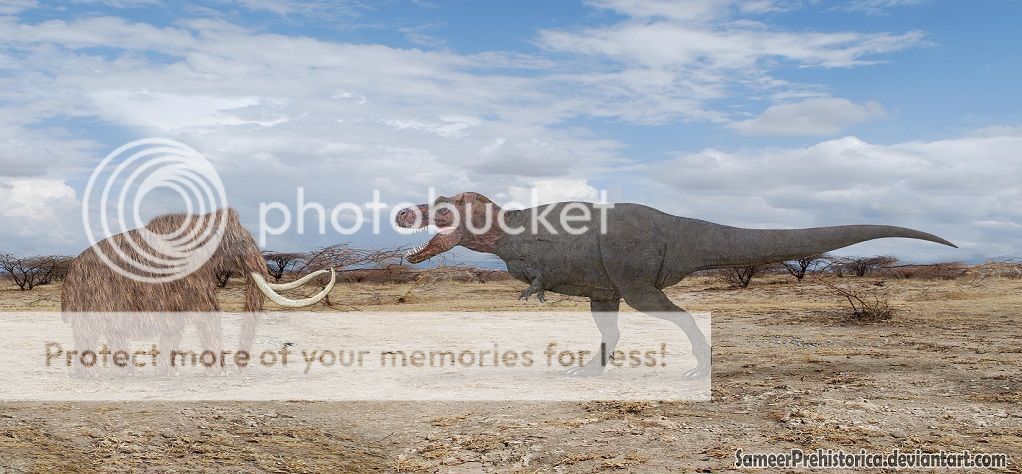
Triceratops and Elasmotherium
Confrontation
補充內容 (2018-7-22 22:51):
Ursidae原圖(放大圖片)
補充內容 (2018-7-22 22:52):
Felidae原圖(放大圖片)
補充內容 (2018-7-22 22:54):
Proboscideans原圖(放大圖片)
補充內容 (2018-8-30 08:05):
[GoogleDrive]1ArFGLuQhqEZO5UcwvlWRHd4KDqpqBzjs[/GoogleDrive]
Walking with Dinosaurs The Giant Claw
補充內容 (2018-8-30 08:09):
[GoogleDrive]1sKyWzmdinlPJAdx7H4Pw6OiI6eSBzKbD[/GoogleDrive]
Walking with Dinosaurs Land of Giants
補充內容 (2018-8-30 09:21):
[GoogleDrive]1KIl2JK7twFq03DVFi1rtDPeq_OFFXwUo[/GoogleDrive]
Big Al Uncovered - Walking with Dinosaurs
補充內容 (2018-8-30 09:24):
[GoogleDrive]1OMps6L7nPwBjcbo0k7jOpirnSNVhxayI[/GoogleDrive]
The Ballad of Big Al - Walking with Dinosaurs |
|
 樓主: tigerb





 在線雷達
在線雷達