|
|
樓主 |
發表於 2018-7-7 23:07:07
|
顯示全部樓層
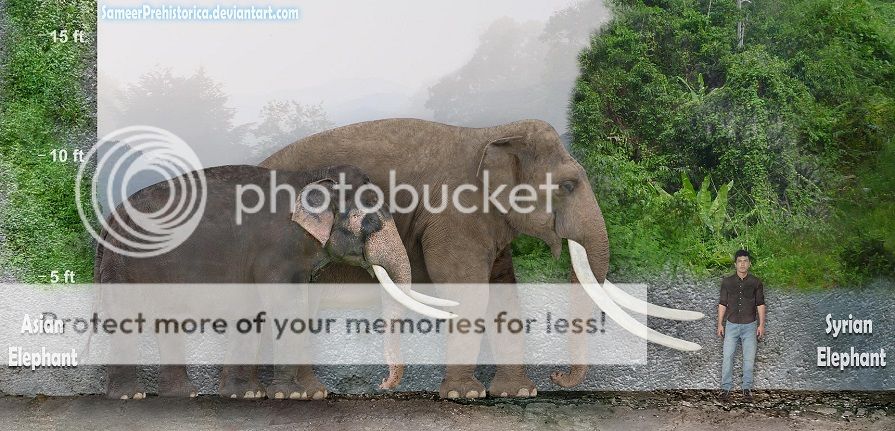
Syrian Elephant
The Syrian elephant is a proposed name for the westernmost population of the asian elephant , which became extinct in ancient times. Syrian elephants were among the largest Asian elephant subspecies to have survived into historic times, measuring 3.5 metres (11 ft 6 in) or more at the shoulder and weighed about 7 - 8 tonnes. Skeletal remains show it did not differ much from the Indian subspecies, except in size.
Ancient Syrian craftsmen used the tusks of E. m. asurus to make ivory carvings. In Syria, the production of ivory items was at its maximum during the first millennium BC, when the Arameans made splendid ivory inlay for furniture. This over-hunting of Syrian elephants for ivory ultimately resulted in their extinction by around 100 BC.
"Syrian" elephants are frequently mentioned in Hellenistic history; the Seleucid kings, who maintained numerous war elephants, reigned in Syria during that period. These elephants are believed to be Indian elephants (E. m. indicus), which had been acquired by the Seleucid kings during their eastern expansions. It is attested by ancient sources such as Strabo and Polybius that Seleucid kings Seleucus I Nicator and Antiochus III the Great had large numbers of imported Indian elephants. Whether these "Indian elephants" were imported due to scarcity of native Syrian elephants or due to their accomplished training and domestication as war elephants remains unclear.
Hannibal had a war elephant known as "Surus"; it has been suggested to mean "the Syrian". It was said by Cato to have been his best (and biggest) elephant. In that case, the elephant may have been of Seleucid stock. If it were in fact of native Syrian stock, or an imported Indian elephant, remains subject to speculation. (The usual Carthaginian war elephants, despite popular depictions, were the smaller North African elephants [Loxodonta africana pharaoensis], an African bush elephant population or subspecies also now extinct.)
Fossils have been found in the Middle East (Turkey, Iraq and Syria) from periods dating between 3 million years BC and 100 years BC.
(In the image,the Syrian elephant is compared with the Asian Elephant which has a height of 8 - 10 feet and weighing 3 - 5.5 tonnes.
Among the proboscideans, only the Asian elephants have more broader skulls compared to their bodies. The modern Asian elephant skull is not much bigger than the African elephant skull because the Asian elephant is not as tall as the African elephant. But the Syrian elephant on the other hand is not only slightly bigger but also taller than the modern African elephant, so the result is an Asian subspecies with a massive skull. The weird thing is, the skull of the Syrian elephant is comparable to the size of a large steppe mammoth skull despite having a shorter body.
It's a shame that the magnificent Syrian elephants were hunted for ivory. )

Prodeinotherium
It was an early species of Deinothere. Standing at 9 feet and weighing upto 4 tonnes.

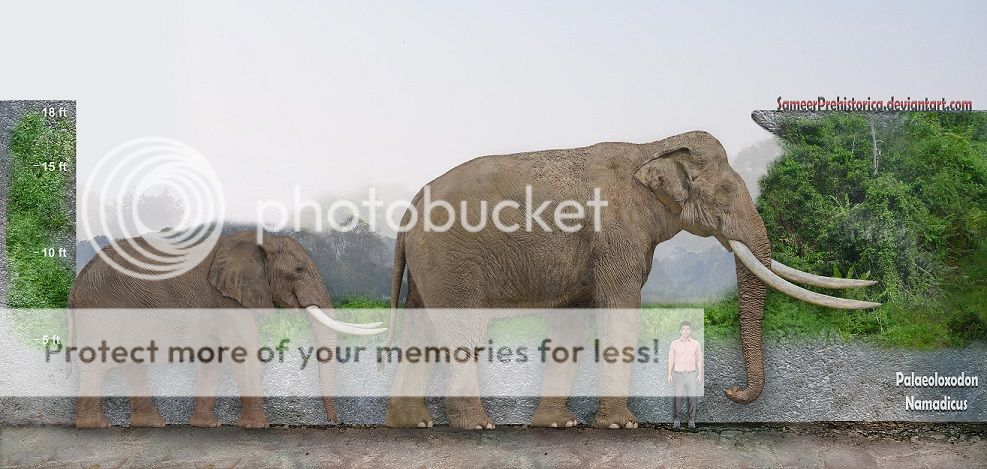
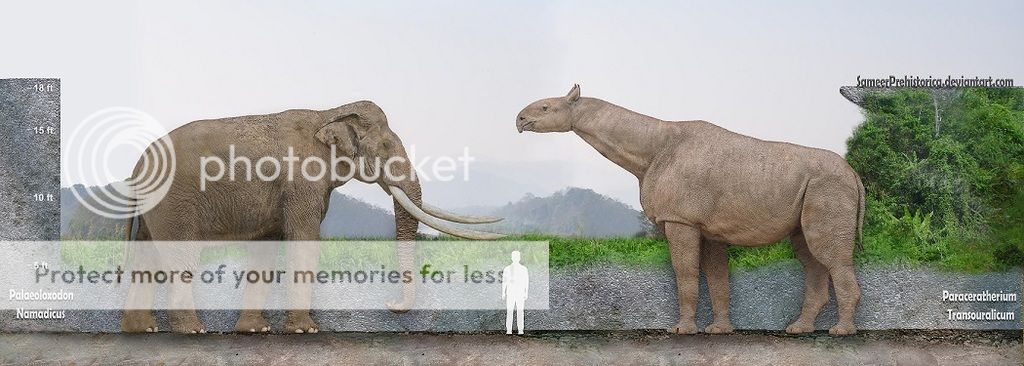
Palaeoloxodon Recki
Palaeoloxodon Recki is related to the Asian elephant and it is among the largest proboscideans. It could stand 14 - 15 feet tall and weighed 12 - 14 tonnes.
Fossils have been found in Africa.
補充內容 (2018-8-29 07:38):
[GoogleDrive]1gU-C6UrOSzjKMpm2HD7dFurQsnfma0Gd[/GoogleDrive]
Top 10 Most dangerous Cenozoic animals |
|
 樓主: tigerb





 在線雷達
在線雷達