|
|
 發表於 2016-6-15 14:31:11
|
顯示全部樓層
發表於 2016-6-15 14:31:11
|
顯示全部樓層
nestse 發表於 2016-6-15 14:24 
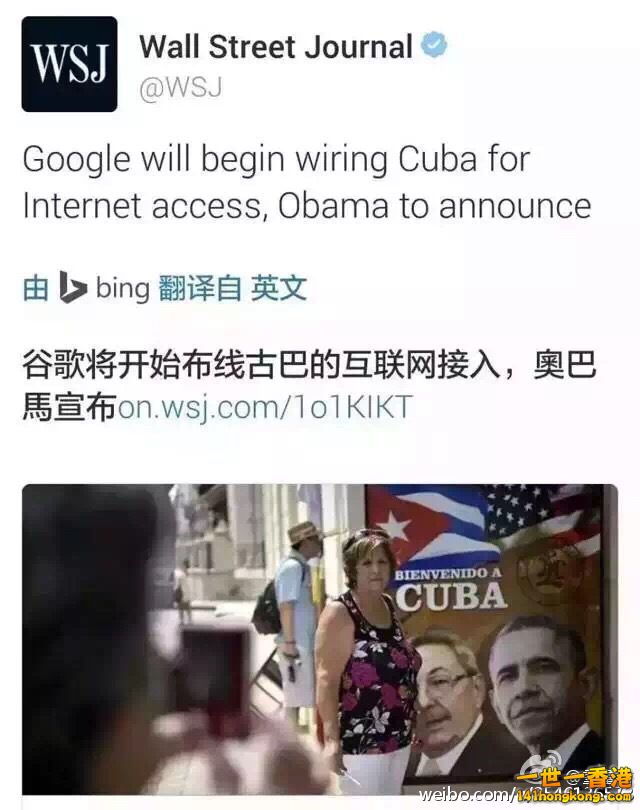
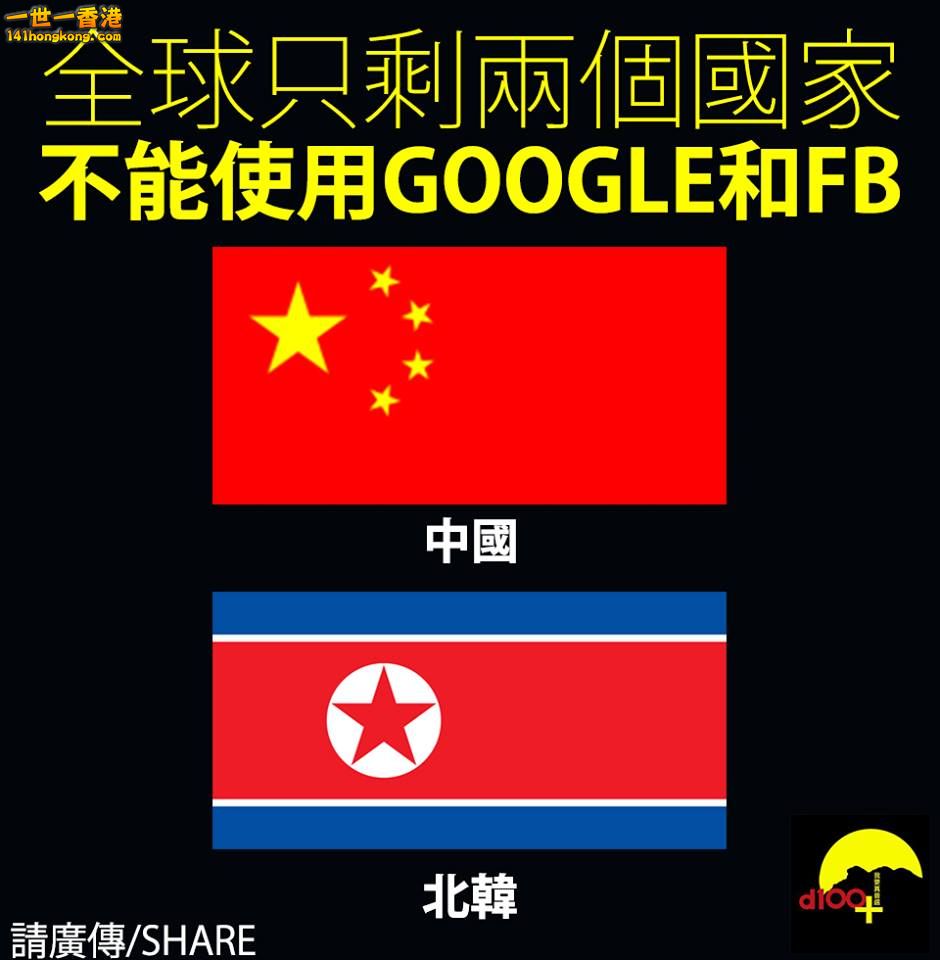
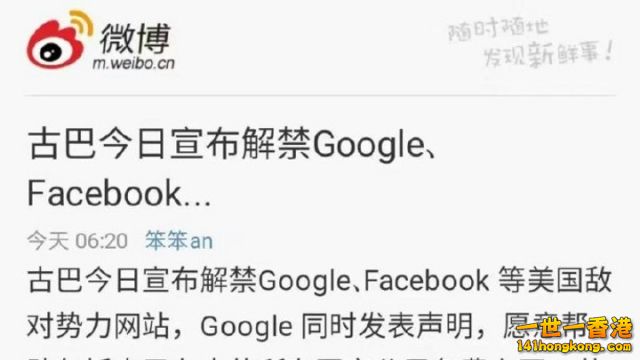
究竟Google自己點解要高調要求退出中國市場呢?
Why Google Quit China—and Why It’s Heading Back
When American Internet companies do business abroad, they are sometimes forced to do a repressive government’s dirty work.
When Google shut down its Chinese search engine in 2010, it gave up access to an enormous market. There are more than twice as many people on the Internet in China as there are residents in the U.S., and the number of Chinese Internet users is growing at a rate that far surpasses that of any other country. Google has plans to return to China in the near future, but why did it turn away from the country for so long?
Censorship is why. Google effectively shut down its Chinese operations after it discovered a cyberattack from within the country that targeted it and dozens of other companies. And while investigating the attack, Google found that the Gmail accounts of a number of Chinese human-rights activists had been hacked.
Google had set up shop in China four years before the breach, offering a version of its services that conformed to the government’s oppressive censorship policies. At the time, Google officials said they’d decided that the most ethical option was to offer some services—albeit restricted by China’s censors—to the enormous Chinese market, rather than leave millions of Internet users with limited access to information.
But the 2010 attacks prompted the company to reverse course. Instead of complying with government requests to filter its search results, Google directed all of its Chinese traffic to the uncensored Hong Kong version of its search engine, a move that left the company vulnerable to being completely shut down in China. Indeed, Google’s services became inaccessible to most Chinese users within months.
Google’s move to pull the plug in China is an extreme example of the kinds of decisions Internet companies operating abroad are often up against: If they want to do business, they have to abide by local laws, which can include restrictions on speech. And since the United States has some of the most permissive freedom-of-speech laws in the world, American companies must adapt in order to do business even in parts of the world that are culturally very similar to the U.S.
Western European countries, which receive top marks from Freedom House for online openness, are far less tolerant than the U.S. of hateful speech and images. In Germany, where distributing swastikas is considered hate speech and is illegal, regulators recently investigated a complaint that Facebook was not adequately enforcing national hate-speech law. But it’s inconceivable that Facebook would close down its service in Germany just because the government asks for more censorship than the First Amendment would permit.
In countries with more repressive governments, companies routinely receive requests to take down a much wider range of content that violates local laws. In Russia, for example, speaking ill of public officials can lead to costly libel suits; just across the Black Sea, “insulting Turkishness” is punishable by fines and jail time.
Lee Rowland, a senior staff attorney at the American Civil Liberties Union, says companies should generally submit to governments’ requests for censorship, if it means they can keep delivering their services. But when they take down content from their platform, Rowland says, the company must be transparent.
“If these companies do whatever they’re capable of doing to publicize that their content is being screened, monitored, and sometimes censored by governments, I think there’s a really good argument that maintaining a social-media presence is inherently a liberalizing force,” Rowland said.
To that end, Google, Facebook, and Twitter all publish a detailed annual transparency report, where they show the number and type of content-takedown or user-information requests they received, and the number they complied with, from each country where they operate. The companies also lay out their rationale for dealing with these requests: Facebook, for example, says it checks every incoming request for “legal sufficiency” and “reject or require greater specificity on requests that are overly broad or vague.” But even the most thorough transparency report can be difficult to access in the countries where the reported censorship is taking place.
Rebecca MacKinnon, a prominent Internet-privacy advocate at New America, says companies should start thinking about how they will deal with free-speech issues even before they start doing business in a repressive state. “It’s about anticipating in advance what positions you’re going to be put in, and deciding in advance whether that’s an acceptable position to be in,” MacKinnon said. Many companies undergo a “human-rights impact assessment” before they expand to a new market with potential censorship pitfalls.
The calculus that goes into making decisions about free speech abroad is complicated. But there are few things that companies can do to push back against censorship-happy governments without losing access to an entire country.
Companies can set up stringent review processes for legal takedown requests. A stringent review can make sure governments aren’t taking advantage of Internet companies to censor content outside the bounds of the law, and thorough reporting and transparent policies can spur local activism to change repressive laws. |
|

 評分就俾魄力




 在線雷達
在線雷達


 廣播
廣播 置頂
置頂 超級提昇
超級提昇 強效提昇
強效提昇 推舊帖
推舊帖 收嗲鳥
收嗲鳥 油顏色
油顏色


 發表於 2016-6-15 13:51:50