|
|

鮑彤理解有年輕人提出港獨,因為中央沒有遵守承諾,給予港人高度自治。(仇志榮攝)
已故中共前總書記趙紫陽的政治秘書鮑彤,接受本台專訪時指,中央在六四事件後對港人產生警惕,導致「一國兩制」的實施逐漸走樣。
他理解有年輕人提出港獨,因為中央沒有遵守承諾,給予港人高度自治,他期望國家主席習近平,十九大後堅持原汁原味實施一國兩制,否則中央只是拿到了土地,拿不到人心。
http://news.rthk.hk/rthk/ch/component/k2/1334081-20170604.htm
Beijing policies pushed young Hongkongers towards localism, Tiananmen sympathiser Bao Tong says
Most senior Communist Party official jailed in 1989 says he understands why younger generation is turning away from June 4 candlelight vigil
It is “understandable” for Hong Kong youngsters to shun the annual candlelight vigil to mark the Tiananmen crackdown given their overall frustration with Beijing after the Occupy protests, says Bao Tong, the most senior Communist Party official jailed in 1989.
In a telephone interview with the South China Morning Post last month, the former top aide to ousted party leader Zhao Ziyang said the Chinese leadership bore the biggest responsibility for the rise in recent years of anti-Beijing localism among Hongkongers.
Beijing has blamed Hongkongers for harbouring anti-China thoughts and called for national security laws to be enacted.
Bao challenged the claim. “The rise of localism is very obvious. I think it speaks of nothing but Hong Kong’s disappointment in Beijing’s failure to deliver its promise of ‘Hong Kong people ruling Hong Kong’ and a high degree of autonomy,” he said.
The growing localist sentiment has seen more Hong Kong people, especially those born after the crackdown, shy away from the only major memorial permitted in the country. They consider the motto of building a democratic China, a reference to calls made in 1989, as unrealistic and irrelevant to them.
The candlelight vigil on Sunday will for the first time be boycotted by all the main university student unions.
“I think mainland Chinese people are grateful for the candlelight vigils in Victoria Park every year,” Bao, 85, said. “They also understand Hong Kong’s dissatisfaction with the central government.”
“If Hongkongers are happy about their liberty and democracy, why would they want independence?” asked Bao, who was the director of Beijing’s top office overseeing political reform in the 1980s.
“It’s their evaluation of Beijing’s policies, and the result is – failed.”
Beijing could easily undermine pro-independence calls if it satisfied Hong Kong demands for freedoms and democracy, Bao added.
“A high degree of autonomy, in accordance with the Sino-British Joint Declaration, would mean allowing the city to decide all matters apart from diplomacy and defence,” he said.
“These include elections, the arrest of criminals, court rulings, news and publishing.”
http://www.scmp.com/news/hong-ko ... rs-towards-localism |
|




 在線雷達
在線雷達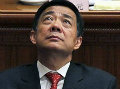
 發表於 2017-6-4 14:41:16
 廣播
廣播 置頂
置頂 超級提昇
超級提昇 強效提昇
強效提昇 推舊帖
推舊帖 收嗲鳥
收嗲鳥 油顏色
油顏色