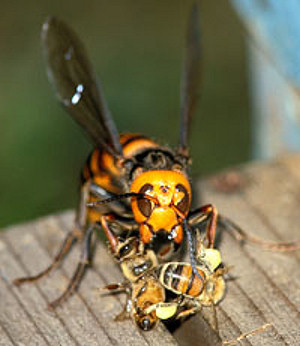
The Japanese giant hornet is a subspecies of the Asian giant hornet (V. mandarinia). It is a large insect and adults can be more than 4 centimetres (1.6 in) long, with a wingspan greater than 6 centimetres (2.4 in). It has a large yellow head with large eyes, and a dark brown thorax with an abdomen banded in brown and yellow. The Japanese giant hornet has three small, simple eyes on the top of the head between the two large compound eyes. As the name implies it is endemic to the Japanese islands, where it prefers rural areas where it can find trees to nest in. In Japan it is known as the Oo-Suzumebachi , literally "Giant Sparrow Bee". Bullet Ant (Paraponera clavata)
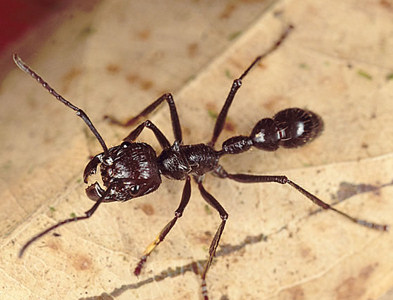
Paraponera is a genus of ant consisting of a single species, commonly known as the lesser giant hunting ant,conga ant, or bullet ant (Paraponera clavata), named on account of its powerful and potent sting[citation needed]. It inhabits humid lowland rainforests from Nicaragua and the extreme east of Honduras south to Paraguay. The bullet ant is called "Hormiga Veinticuatro" or "24 (hour) ant" by the locals, referring to the 24 hours of pain that follow being stung.
Workers are 18–30 mm (0.7 to 1.2 inches) long[3] and resemble stout, reddish-black, wingless wasps. Paraponera is predaceous, and like all primitive poneromorphs does not display polymorphism in the worker caste. The queen is not much larger than the workers. Africanized Honey Bee
(Apis mellifera scutellata)
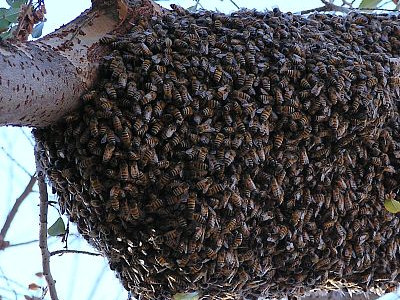
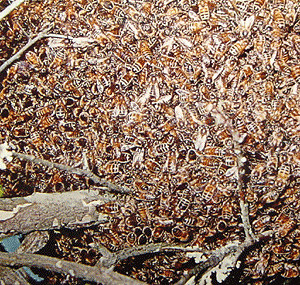
Africanized honey bees, known colloquially as "killer bees," are some hybrid varieties of the Western honey bee species, (Apis mellifera), produced originally by cross-breeding of the African honey bee A. m. scutellata, with various European honey bees such as the Italian bee A. m. ligustica and the Iberian bee A. m. iberiensis. The hybrid bees are far more aggressive than any of the various European subspecies. Small swarms of Africanized bees are capable of taking over European honey bee hives by invading the hive and establishing their own queen after killing the European queen. Army or Soldier Ant (Eciton burchellii)
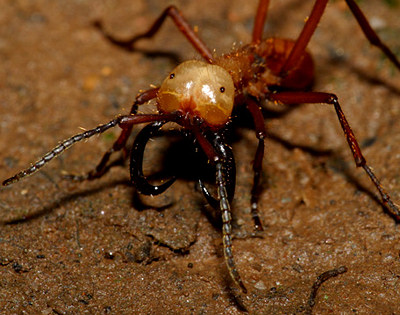
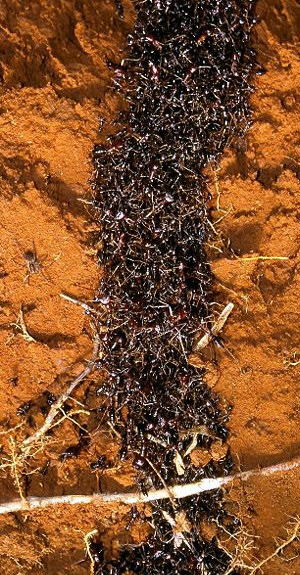
Eciton burchellii is the predominant species of the genus Eciton and a type of New World army ant. Distinct in its expansive, highly organized swarm raids, it is often considered the archetypal species of "army ant" — so much that the term has become its common name — and remains one of the most heavily investigated of all ant species.
Like most ant species, they are polymorphic, meaning that individuals vary in size: a colony contains workers ranging from 3 mm to 12 mm, with each specific "caste" suited to specialized tasks. Like other species of Eciton, E. burchellii features a highly modified soldier caste bearing long, pointed, characteristically falcate (sickle-shaped) mandibles. Their long legs and elongated body lend them a spider-like appearance. Color varies from deep golden to dark brown. Workers possess single-faceted compound eyes, double-segmented waists, a well-developed sting, and specialized tarsal hooks on their feet with which they cling to one another to form bridges and bivouacs. Bot Fly
(family oestridae, genus and species varies)
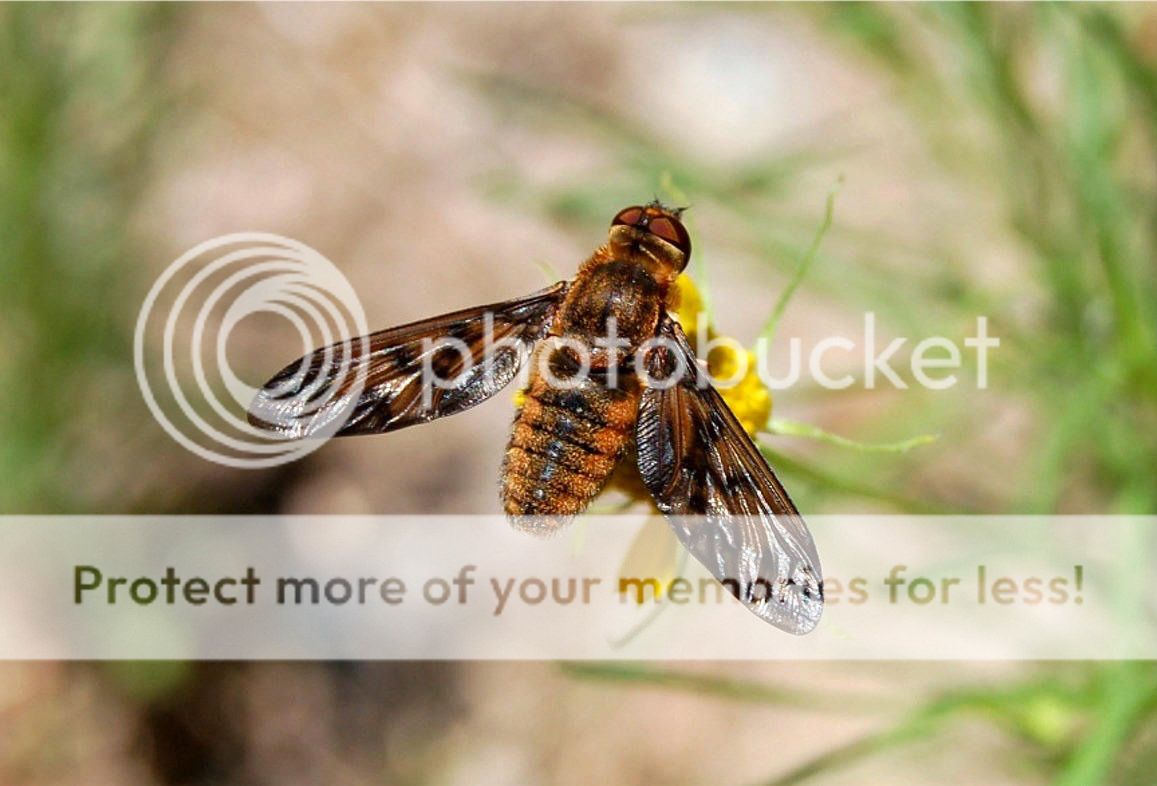
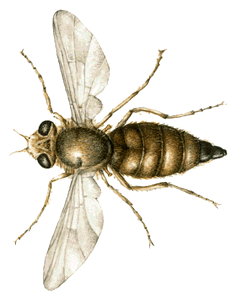
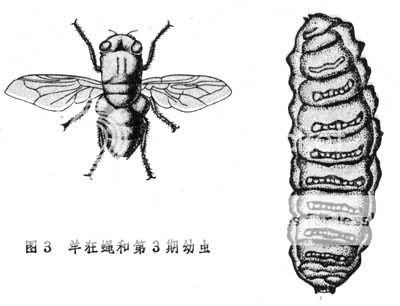
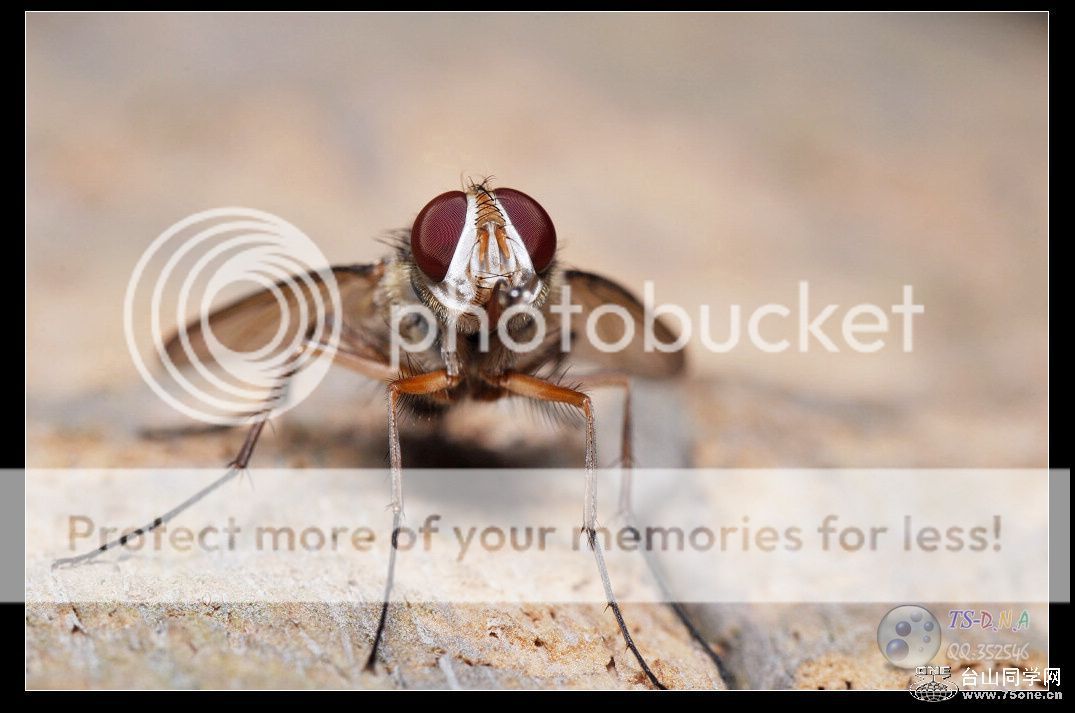
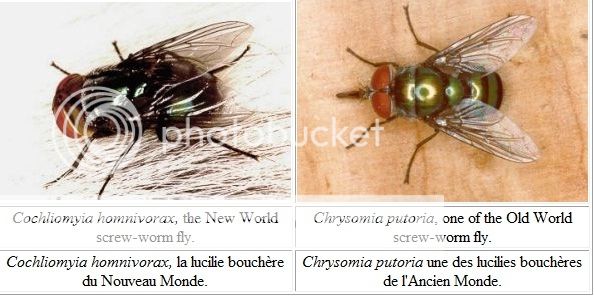
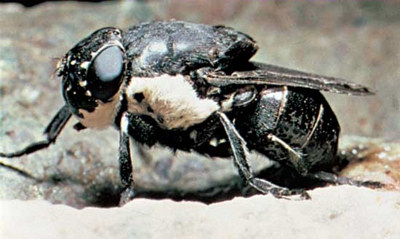
The name deer botfly (also deer nose bot) refers to any species in the genus Cephenemyia, within the family Oestridae. They are large, gray-brown flies, often very accurate mimics of bumblebees. They attack chiefly the nostrils and pharyngeal cavity of members of the deer family. The larva of Cephenemyia auribarbis, infesting the stag, is called a stagworm. The genus name, also spelled Cephenomyia, comes from the Greek kēphēn, drone bee, and myia, fly.
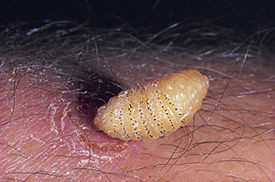
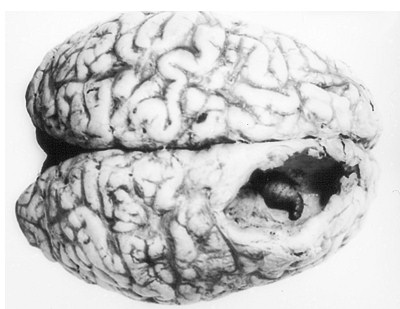
The larval stages of Cephenemyia are obligate parasites of cervids. Eggs hatch in the uterus of the female. She then flies close to the head of her host species and while hovering ejects her larvae into its nostrils.Larvae migrate to the base of the animal's tongue, where they mature in clusters to a size of 25 to 36 mm. After being ejected by the host, they pupate in soil (2 to 3 weeks) before emerging as a sexually-mature but non-feeding adult, which must quickly find a mate, since its life is short.
Aristotle (384 BC – 322 BC) described deer botfly larvae as follows:
However, without any exception, stags are found to have maggots living inside the head, and the habitat of these creatures is in the hollow underneath the root of the tongue and in the neighbourhood of the vertebra to which the head is attached. These creatures are as large as the largest grubs; they grow all together in a cluster, and they are usually about twenty in number.






 在線雷達
在線雷達


 發表於 2012-10-27 02:35:18

 廣播
廣播 置頂
置頂 超級提昇
超級提昇 強效提昇
強效提昇 推舊帖
推舊帖 收嗲鳥
收嗲鳥 油顏色
油顏色









 發表於 2012-10-28 09:12:57